
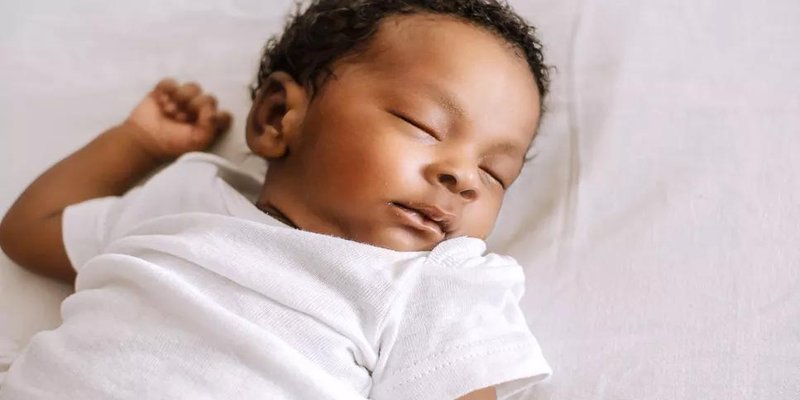
When my first baby was 4 months old, I was a zombie. She woke every 2 hours. I couldn’t function. I couldn’t work. I couldn’t be a good parent during the day because I was so exhausted.
I decided to sleep train. I read the books. I chose the Ferber method. The first night, she cried for 45 minutes. I sat outside her door, crying too. The second night, 20 minutes. The third night, 10 minutes. By night four, she slept through the night. She’s been a good sleeper ever since.
When my second baby was 6 months old, I didn’t sleep train. He was a better sleeper naturally — woke once a night, easily soothed. Why fix what isn’t broken?
Sleep training is one of the most divisive parenting topics. Some say it’s essential for sanity. Others say it’s harmful. The evidence says: it depends.
A 2023 systematic review in Pediatrics analyzed 14 randomized controlled trials of sleep training methods (graduated extinction, unmodified extinction, bedtime fading, positive routines). The findings:
- Sleep training reduces the time it takes babies to fall asleep (by 10-15 minutes on average).
- It reduces the number of night wakings (by 1-2 per night).
- It increases parental sleep quality and mental health.
- It does NOT cause long-term harm to attachment, cortisol levels, emotional development, or parent-child bonding.
- It also doesn’t work for every baby. Temperament matters. Some babies don’t respond.

What about the critics? Some worry that letting a baby cry damages attachment. The evidence doesn’t support that. A 2020 follow-up of sleep-trained children at age 6 found no differences in emotional or behavioral outcomes. The children were securely attached, happy, and healthy. The parents were less depressed.
One of my patients, “Nina,” was adamantly opposed to sleep training. She co-slept and responded to every cry. By 9 months, she hadn’t slept more than 3 consecutive hours. She developed postpartum depression. She was irritable with her baby. She was suicidal. Her therapist encouraged her to consider sleep training. She tried it. Her baby cried for two nights — less than she had expected — and then started sleeping longer stretches. Nina’s depression lifted. She told me, “I was so afraid of hurting him. But the real harm was me being a wreck.”
Another patient, “Maya,” tried sleep training and her baby screamed for hours — worse each night. She stopped after three nights. She used a different method (bedtime fading) and had better results. The point: one size doesn’t fit all.
What the evidence does NOT show: one method is best for all families. Temperament matters. Parental mental health matters. Cultural values matter. Work schedules matter. There’s no moral superiority in sleep training or not sleep training.
If you’re struggling with sleep deprivation, it’s okay to sleep train. It’s also okay not to. The right choice is the one that makes your family functional — not the one that wins an internet argument.
Here’s my advice: if you’re considering sleep training, wait until your baby is at least 4 months old (some say 6 months). Check with your pediatrician to ensure no medical issues (reflux, ear infections, etc.) are causing night wakings. Choose a method that fits your temperament — gradual extinction (Ferber), unmodified extinction (cry it out), or no-cry solutions. Be consistent. Give it at least a week. If it’s not working, try a different method. And if it’s causing you more distress than the sleep deprivation, stop. There’s no trophy for suffering.
My first was sleep-trained. My second wasn’t. Both approaches were fine. Both kids are fine. The difference was my sanity.
This article reflects evidence and personal experience. Always discuss sleep concerns with your pediatrician.
— Emily