The Third Pregnancy That Made Me Question Everything I Knew
I peed on the stick at 5:47 AM because I could not sleep and I had one test left in the box and I figured why not. I was not expecting it to be positive. I was 37. I had an IUD. The odds were laughably low. But there it was: two lines, faint but undeniable, like a secret I had not been ready to keep.
I sat on the bathroom floor in our house in Portland — the one with the leaky faucet Jake keeps promising to fix — and I laughed. Not a happy laugh. A hysterical laugh. The kind that comes out when your body does not know whether to cry or scream. Lily was 5. Noah was 2. And I was supposed to be done.
My first pregnancy had been a medical drama. Gestational diabetes at 28 weeks. A 37-week induction because my blood pressure spiked. Three hours of pushing. A NICU stay for Lily because she was small and slightly jaundiced. I had planned for a natural birth and gotten a C-section. I had planned for breastfeeding and ended up supplementing with formula. I had planned for calm and gotten chaos.
My second pregnancy was textbook. No diabetes. No hypertension. A spontaneous labor at 39 weeks. Noah was born in the birthing center at Legacy Emanuel with a midwife named Ruth who had kind eyes and strong hands. I breastfed for 14 months. I co-slept. I wore him in a wrap until my back begged me to stop. It was the pregnancy I had wanted the first time, and it had made me believe that the first one was just bad luck.
This third pregnancy was different from the start. Not because of symptoms — though the nausea was worse, and the fatigue was deeper, and I could not look at eggs without gagging until week 14. It was different because I was different. I was not the optimistic first-time mom who thought birth plans mattered. I was not the confident second-time mom who thought she had it figured out. I was the tired third-time mom who knew that pregnancy is unpredictable, birth is uncontrollable, and the only thing you can actually plan for is the fact that your plans will not work.
I told Jake in the kitchen. He was making coffee — decaf, because he had switched when I was pregnant with Noah and never switched back. I said, "I am pregnant." He dropped the mug. Not dramatically. It just slipped. He said, "Are you sure?" I said, "I am a dietitian and a lactation consultant and I have peed on enough sticks to know what two lines mean." He said, "Okay." Then he said, "We need a bigger car." Then he hugged me. And then we both stood there in silence, listening to the leaky faucet, wondering how we were going to do this.
The first trimester was hard. Harder than the other two. I was nauseous until week 16. I was exhausted in a way that sleep could not fix. I was working at the clinic — seeing patients, doing prenatal nutrition consults, helping new moms with breastfeeding — while secretly feeling like I was failing my own body. I could not eat vegetables. I could not drink water without lemon. I could not stand the smell of the clinic's hand sanitizer. And I could not tell anyone because I was the expert. I was supposed to have this figured out.
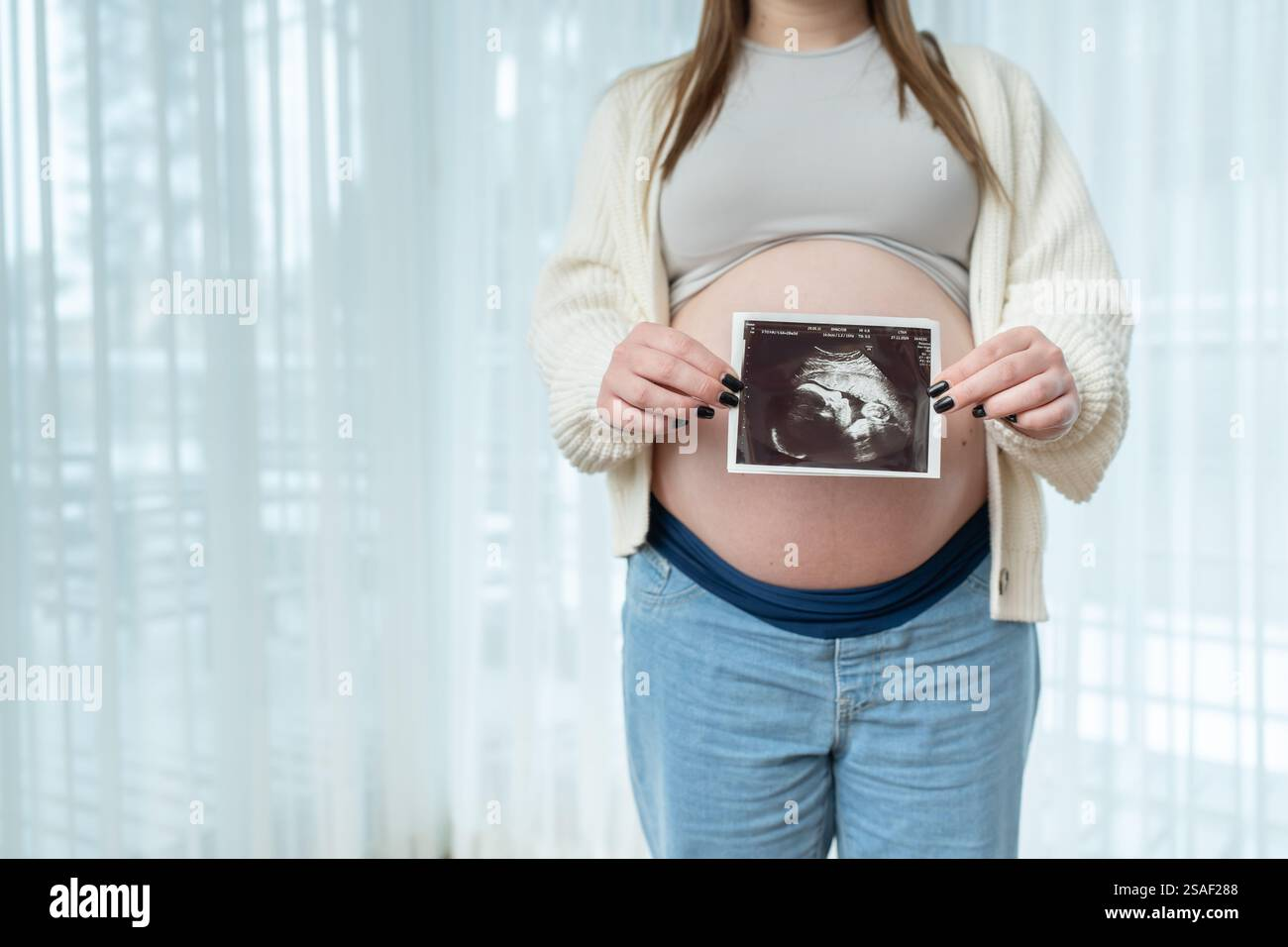
At 20 weeks, I had an anatomy scan. The tech was quiet. Too quiet. I asked what was wrong. She said, "Nothing. I just need to get a better view." She called in the doctor. The doctor looked at the screen for a long time. Then she said, "The placenta is low-lying. It is not covering the cervix, but it is close. We need to watch it."
Placenta previa. Or near-previa. The thing I had read about in textbooks but never expected to see on my own ultrasound. It meant no exercise. It meant pelvic rest. It meant another possible C-section. It meant everything I had hoped for — another spontaneous labor, another birthing center birth, another chance at the experience I wanted — was suddenly uncertain.
I cried in the parking lot. Not because I was scared of a C-section. I had done it before. I cried because I had finally accepted that pregnancy is not a journey. It is a ride. And you do not get to drive.
I went back to work the next day. I saw a patient — a first-time mom, 32 weeks, terrified of childbirth. She asked me if birth plans were worth it. I looked at her and I said, "Write one. And then be willing to throw it away." She looked confused. I said, "The plan is not the point. The preparation is. If you prepare for everything, you are ready for anything. And if you are ready for anything, you will not be devastated when the anything happens."
She wrote that down. I realized I was talking to myself.
The third pregnancy taught me that expertise does not protect you from uncertainty. I have a master's in nutrition science. I am an IBCLC. I have supported 600 families through pregnancy and postpartum. And I still sat in my car and cried because my placenta was in the wrong place. Knowledge does not make you immune to fear. It just gives you vocabulary for it.
I am 34 weeks now. The placenta has moved. Not enough for a home birth, but enough for a trial of labor. I might get my vaginal birth after cesarean. I might not. I am preparing for both. I have packed a hospital bag. I have hired a doula. I have told Jake that if I need another C-section, I need him to tell me it is okay. Because I will need to hear it from someone I trust.
Lily is excited. She wants a sister. Noah does not understand, but he kisses my belly every morning. Jake fixed the faucet. And I am eating vegetables again.
This pregnancy did not make me question my knowledge. It made me question my need for control. And in doing so, it taught me the only thing that actually matters: you do not have to know everything. You just have to be willing to adapt.
— Emily, from Portland, where the faucets leak and the babies keep coming.